

In an era dominated by digital wallets, contactless payments, and algorithmic trading, a curiously analog financial trend has exploded across social media platforms like TikTok and Instagram. Known as “Cash Stuffing” or the “Envelope System,” this method of budgeting has captivated millions, particularly among younger generations. The visual spectacle is undeniable: vibrant videos showcasing individuals filling categorized binder pockets with crisp dollar bills, set to satisfying sounds and triumphant music. But what lies beneath this viral phenomenon? Is Cash Stuffing a mere aesthetic fad, a nostalgic throwback, or a genuinely powerful tool for financial empowerment?
This in-depth analysis goes beyond the 60-second clips to dissect the Cash Stuffing trend. We will explore its psychological underpinnings, its practical implementation, its undeniable advantages, and its significant limitations. For anyone feeling financially adrift in the digital sea, understanding this tactile approach to money management could be the first step toward reclaiming control over your financial destiny. This is not just about organizing cash; it’s about rewiring our relationship with money itself.
B. The Core Mechanics: What Exactly is Cash Stuffing?
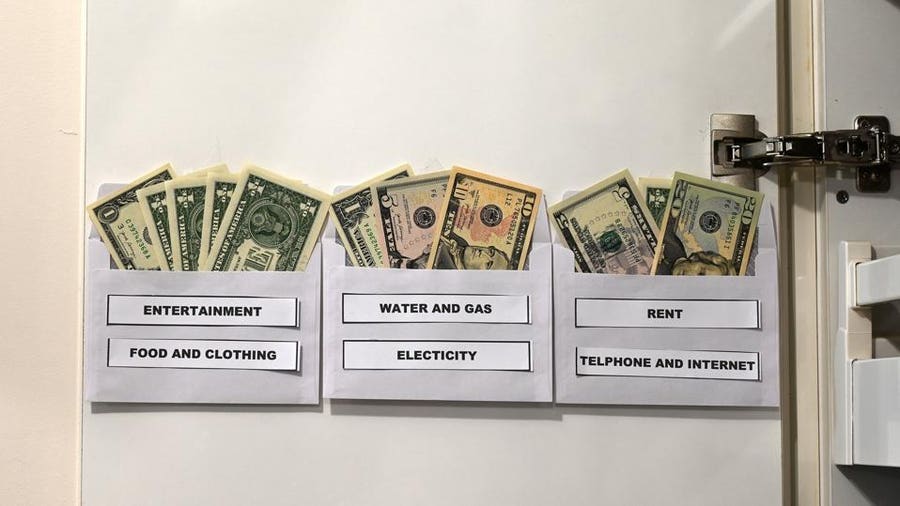
At its heart, Cash Stuffing is a physical manifestation of a zero-based budget. The principle is simple: every dollar of your income has a designated “job,” and no dollar is left unassigned. While the classic “Envelope System” used literal envelopes, the modern viral iteration typically involves a specialized binder with transparent plastic pockets, often labeled for every conceivable expense category.
The process can be broken down into a cyclical routine:
A. Income Allocation: Upon receiving income (paycheck, side hustle earnings, etc.), you withdraw the amount you have budgeted for variable and discretionary expenses in cash. It’s important to note that fixed bills like mortgages or car payments that are automated may not need to be included in this physical cash withdrawal.
B. Category Assignment: Each binder pocket is dedicated to a specific spending category. Common examples include:
* Groceries
* Gas/Transportation
* Dining Out
* Entertainment
* Clothing
* Personal Care
* Gifts
* “Fun Money”
* Savings for specific goals (e.g., Vacation, New Laptop)
C. The “Stuffing” Ritual: You physically distribute the cash into each labeled pocket according to your pre-determined budget. This is the cathartic, visual core of the trend—the moment the abstract budget becomes a tangible reality.
D. Spending Discipline: Throughout the week or month, you spend only from the designated pocket for each purchase. If the “Dining Out” envelope is empty, you do not eat at a restaurant. If the “Entertainment” cash is gone, you find free alternatives. This enforces a hard stop on overspending.
E. Rollover or Reset: Any money left in an envelope at the end of the period can either be rolled over to bolster the next month’s budget for that category, or it can be moved to a savings or debt payoff envelope, creating a rewarding sense of accomplishment.
C. The Psychology Behind the Phenomenon: Why is it So Effective?
The viral success of Cash Stuffing isn’t accidental; it taps into fundamental principles of behavioral psychology and addresses specific pain points of modern financial management.
A. The Tangibility Effect: Digital money is abstract. Swiping a card or clicking “pay” creates a psychological distance from the act of spending. Physical cash, however, is real and finite. Handing over a $50 bill feels significantly more “expensive” than tapping a card for the same amount. This physical interaction forces a greater level of mindfulness and intentionality with every purchase.
B. Visual Reinforcement and Gamification: A budget spreadsheet is invisible for 29 days of the month. A cash-stuffed binder is a constant, visual reminder of your financial goals. Watching the “Savings” envelope grow and the “Debt” envelope shrink provides a powerful, positive visual feedback loop that spreadsheet cells cannot match. This transforms the chore of budgeting into a satisfying, almost game-like challenge.
C. Cognitive Closure and Reduced Decision Fatigue: By pre-allocating every dollar, Cash Stuffing provides cognitive closure. The mental work of deciding where your money should go is done once, during the stuffing session. This eliminates daily debates like, “Can I afford this takeout?” The answer is simple: check the envelope. This reduces decision fatigue, freeing up mental energy for other aspects of life.
D. A Sense of Control in an Uncertain Economy: In a world of economic volatility, inflation, and rising living costs, many people feel a profound lack of control over their finances. Cash Stuffing is an active, hands-on process that directly counteracts this feeling. It empowers the individual, giving them a concrete system to manage their money, creating a sense of order and predictability amidst chaos.
 D. A Step-by-Step Guide to Implementing Cash Stuffing
Ready to give it a try? Here is a comprehensive guide to launching your own Cash Stuffing system.
A. Step 1: Gather Your Tools
* A Binder with Clear Pockets: The star of the show. Choose one with enough pockets for your categories.
* Cash: You’ll need to get comfortable with withdrawing and handling cash.
* Labels or a Pen: To clearly mark each pocket.
* A Budget Template: Before you stuff, you need a plan. Use a notebook, spreadsheet, or a budgeting app to outline your income and expenses.
B. Step 2: Create Your Zero-Based Budget
* Calculate Total Monthly Income: Include all reliable sources.
* List All Expenses: Start with fixed costs (rent, utilities, loan payments), then variable/discretionary costs (groceries, entertainment), and finally, financial goals (savings, debt repayment).
* Assign Every Dollar a Job: Income – Expenses = $0. This is the zero-based principle. Your savings and debt payments are non-negotiable “expenses” in this equation.
C. Step 3: Determine Your Cash Categories
* Not everything needs to be in cash. Identify the areas where you tend to overspend. These are prime candidates for cash envelopes. Common starting categories are Groceries, Dining, and Entertainment.
D. Step 4: The Monthly Ritual
* Withdraw the total cash needed for your chosen categories after receiving your paycheck.
* Sit down with your binder, budget, and cash.
* Physically stuff the predetermined amount into each pocket. This is your commitment ceremony.
E. Step 5: Live by the Envelope
* This is the most crucial step. When you go to the grocery store, take only the “Groceries” envelope. When it’s empty, you’re done shopping for the month. Do not “borrow” from other envelopes unless it’s a pre-planned and documented adjustment.
F. Step 6: Review and Adjust
* At the end of the month, review what worked and what didn’t. Did you consistently run out of money for gas? Maybe your budget was unrealistic. Did you have leftover money in “Dining Out”? Decide to roll it over or move it to savings. A budget is a living document that should evolve with your life.
E. The Inherent Challenges and Limitations of a Cash-Based System
While powerful, Cash Stuffing is not a one-size-fits-all solution. It comes with a set of distinct disadvantages that must be seriously considered.
A. Security Risks: Carrying significant amounts of cash is inherently risky. Loss, theft, or damage (e.g., in a fire or flood) could be devastating, as cash is not insured like funds in a bank account.
B. Inconvenience and Impracticality: In our increasingly cashless society, many vendors no longer accept cash. Online shopping, bill payments, and subscription services are impossible to manage with physical envelopes, necessitating a hybrid approach.
C. Loss of Potential Earnings: Money sitting in a binder earns no interest. In an environment of high-interest savings accounts, this represents a lost opportunity for your money to grow through compound interest.
D. The Difficulty of Tracking and Categorization: While simple in theory, tracking cash spending down to the last cent for tax or analytical purposes can be more cumbersome than using a digital tool that automatically categorizes transactions.
E. Not Ideal for Large, Infrequent Expenses: Budgeting for an annual insurance payment or semi-annual property tax bill with cash would require storing large sums for long periods, amplifying the security risk and opportunity cost.
F. Who is the Ideal Candidate for Cash Stuffing?
This method is particularly beneficial for:
A. Visual and Kinesthetic Learners: Individuals who learn and process information best through touch and sight.
B. Chronic Overspenders: Those who struggle with credit card debt and impulse purchases, as it imposes a strict, physical limit.
C. Budgeting Beginners: People who feel overwhelmed by complex apps and spreadsheets and need a simple, tangible starting point.
D. Individuals Seeking Financial Mindfulness: Anyone wanting to rebuild a conscious and intentional connection with their spending habits.
 G. Beyond the Binder: Modern Digital Alternatives and Hybrid Models
You can capture the psychological benefits of Cash Stuffing without exclusively using physical cash. A “Digital Envelope System” is a viable and secure alternative.
A. Digital Envelope Apps: Apps like Goodbudget, YNAB (You Need A Budget), and EveryDollar use the same zero-based, envelope budgeting philosophy but allow you to manage your “envelopes” digitally, linked to your bank accounts. This provides the structure and mindfulness without the security risks.
B. The Hybrid Approach: This is often the most practical solution. Use cash stuffing for your most problematic discretionary spending categories (e.g., entertainment, personal spending) while using digital tools and automation for fixed bills, online shopping, and long-term savings goals. This blends the discipline of tangible spending with the convenience and security of modern banking.
H. Conclusion: More Than a Trend, A Tool for Financial Awakening
The viral “Cash Stuffing” trend is far more than a social media aesthetic. It is a powerful response to the disconnection and ease of overspending fostered by the digital finance revolution. By making money physical and visible, it re-engages our senses and forces a level of financial consciousness that is often lost.
While it is not a perfect system for everyone due to its security concerns and impracticalities in a cashless world, its core principles are timeless and universally applicable: intentionality, discipline, and visual goal-setting. Whether you adopt the method with a physical binder, a digital app, or a hybrid model, the ultimate goal remains the same to move from a state of financial anxiety to one of empowered control. In dissecting this trend, we find that the real treasure isn’t the cash in the envelopes; it’s the financial clarity and peace of mind that the process cultivates.