
Just when Wall Street thought it was safe to return to business as usual, the ground began to shake once more. The roaring cacophony of retail investors, armed with smartphones and a shared sense of defiance, has erupted again, signaling a shocking and powerful comeback for the phenomenon known as “meme stocks.” This isn’t merely a repeat of the 2021 spectacle; it’s an evolution. The recent surges in stocks like GameStop and AMC have sent shockwaves through the financial world, proving that the first wave was not a fluke but a fundamental shift in the market’s power dynamics. This in-depth analysis delves beyond the headlines to explore the intricate mechanics, the new strategies, the profound psychological underpinnings, and the critical lessons every investor must learn from this unprecedented financial rebellion.
A. Deconstructing the Meme Stock Phenomenon: More Than Just Hype
At its core, a meme stock is a publicly traded company that experiences extreme volatility and trading volume, primarily driven by collective organizing on social media platforms and online forums, rather than traditional financial metrics like revenue, profit, or growth potential. The term “meme” is apt because the movement spreads virally, fueled by inside jokes, relatable content, and a shared narrative.
The original and still most famous breeding ground for this activity is the Reddit community r/WallStreetBets. What began as a niche forum for high-risk, high-reward trading strategies has transformed into a digital colossus capable of moving billions of dollars in market capitalization. The culture here is unique a blend of sophisticated trading knowledge, self-deprecating humor, and an unwavering “YOLO” (You Only Live Once) mentality that encourages massive, conviction-driven bets.
The foundational element that makes meme stocks so explosively volatile is the short squeeze. To understand the current resurgence, one must first master this critical concept.
A. The Anatomy of a Short Squeeze:
A short squeeze is a market dynamic that occurs when a stock that has been heavily shorted experiences a rapid price increase. Here’s the step-by-step process:
1. Heavy Shorting: Hedge funds and other institutional investors identify a company they believe is overvalued or failing. They “short sell” the stock by borrowing shares and immediately selling them, betting the price will fall. They plan to buy the shares back later at a lower price, return them to the lender, and pocket the difference.
2. Retail Investor Rally: Through forums like r/WallStreetBets, a large number of retail investors collectively decide to buy and hold the same heavily shorted stock, driving its price upward.
3. The Squeeze Trigger: As the stock price rises, the short sellers start incurring losses. Their brokers demand they add more cash to their accounts (margin calls) to cover the escalating paper losses.
4. The Forced Cover: To stop the bleeding and meet margin requirements, the short sellers have no choice but to buy back the shares at the now-higher market price. This wave of forced buying adds immense upward pressure on the stock.
5. The Explosive Feedback Loop: This forced buying drives the price even higher, which triggers more margin calls for other short sellers, forcing them to also buy back shares. This creates a self-reinforcing cycle that can rocket the stock price to astronomical levels in a very short time.
B. The 2024 Resurgence: A Perfect Storm of New and Old Factors
The recent comeback of meme stocks like GameStop and AMC wasn’t a random event. It was the result of a “perfect storm” where several key factors converged, creating an environment ripe for another explosive move.
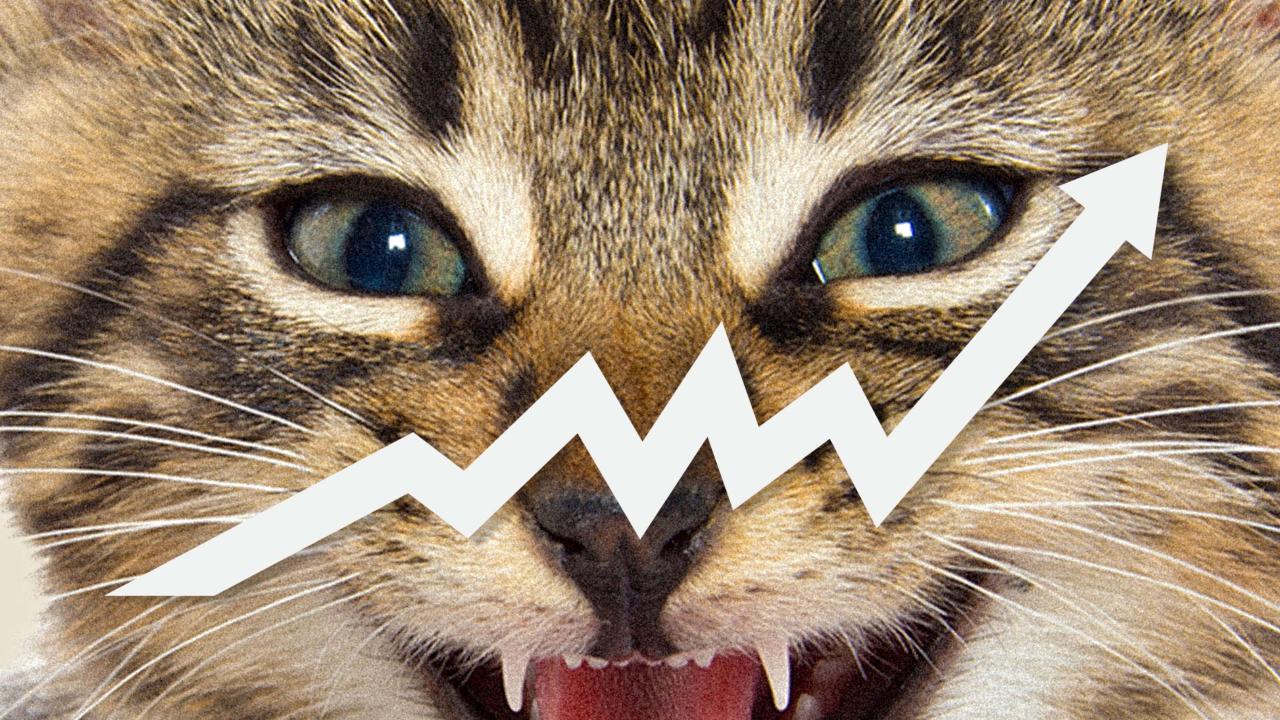
A. The Keith Gill “Roaring Kitty” Catalyst: The single most significant trigger for the 2024 resurgence was the return of Keith Gill, known online as “Roaring Kitty” or “DeepFuckingValue.” Gill was the central figure and early champion of the GameStop trade in 2021. After a long social media silence, his return to X (formerly Twitter) with a simple, cryptic post was the equivalent of a starting pistol. It reignited the collective belief and coordination of the retail army, proving that the influence of key figures in this movement is profound.
B. Persistent and Elevated Short Interest: Despite the lessons of 2021, many hedge funds had again built up significant short positions in companies like GameStop. The fundamental belief that these companies were ultimately doomed had not changed. This provided the essential dry tinder for the fire. The retail community’s due diligence in tracking short interest data through platforms like Ortex gave them the confidence that another squeeze was possible.
C. The Evolution of Social Media and Communication Tools: While Reddit remains the central hub, the ecosystem has expanded. Discord servers, X Spaces, and TikTok have created faster, more dynamic, and more segmented channels for disseminating information and coordinating action. The speed and scale of communication in 2024 far exceed what was possible in 2021.
D. Improved Financial Literacy and Tools: The retail investor of 2024 is more sophisticated. They have access to advanced trading platforms, real-time data analytics on short interest, and a deeper understanding of options chains and their impact on stock price (through mechanisms like gamma squeezes). This isn’t just a blind mob; it’s a more strategically aware collective.
E. The Lingering Socio-Economic Backdrop: The underlying sentiment that fueled the first meme stock wave distrust of Wall Street institutions, frustration with economic inequality, and a desire to “stick it to the man” has not dissipated. If anything, it has intensified. For many, trading meme stocks is as much a form of protest as it is an investment.
C. Case Study Deep Dive: GameStop and AMC’s Rollercoaster Ride
To truly grasp the magnitude of this phenomenon, we must examine the two titans of the meme stock universe.
A. GameStop (GME): The Phoenix of Brick-and-Mortar
GameStop’s story is the quintessential meme stock saga. Once a dominant retailer of video games and electronics, it was widely considered a relic of the past, destined for bankruptcy in the digital age. This perception made it a prime target for short sellers.
The 2021 short squeeze transformed the company. The surge in stock price provided it with a lifeline, allowing it to raise significant capital by issuing new shares. Under the leadership of Ryan Cohen, a billionaire investor and co-founder of Chewy, the company has embarked on a ambitious turnaround strategy. This includes:
* Drastically reducing debt.
* Overhauling its leadership and board.
* Shifting focus towards e-commerce and a broader range of consumer electronics.
* Cultivating a stronger community-centric brand.
The 2024 surge demonstrates that investor belief in this transformation, combined with the persistent short interest and the powerful “Roaring Kitty” catalyst, keeps GameStop at the epicenter of the meme stock earthquake.
B. AMC Entertainment (AMC): The Comeback of the Big Screen
AMC’s narrative parallels that of GameStop. As the world’s largest movie theater chain, it was brought to its knees by the COVID-19 pandemic. Lockdowns and social distancing pushed the company to the brink of collapse, making its stock a favorite for short sellers.
The intervention of the retail investing community, led by CEO Adam Aron who actively engaged with them on social media, provided a financial rescue. AMC aggressively sold new shares to the market, raising billions and staving off bankruptcy. Aron capitalized on the loyalty of his new investor base by offering perks like free popcorn and exclusive merchandise, dubbing them “APEs” (AMC Preferred Equity units, initially a ticker symbol joke). The 2024 rally reaffirmed the intense loyalty of this base and their continued willingness to support the company against its critics.
D. The Ripple Effects: How Meme Stocks Are Reshaping the Entire Market
The impact of meme stocks extends far beyond the dramatic charts of GME and AMC. They have triggered a fundamental reassessment of power and risk across the financial landscape.
A. The Hedge Fund Reckoning: The meme stock saga has been a multi-billion dollar lesson in humility for the hedge fund industry. It has exposed the vulnerability of certain high-risk strategies, particularly unchecked short selling. Funds are now forced to incorporate “social sentiment” and crowd dynamics into their risk models, something that was previously ignored. The losses incurred have led to more cautious positioning and a newfound respect for the power of the retail collective.
B. The Regulatory Quandary: The events of 2021 and 2024 have placed regulators like the Securities and Exchange Commission (SEC) in a difficult position. They are grappling with complex questions:
* Is this coordinated buying illegal market manipulation?
* Should trading be halted during periods of extreme volatility, and if so, who does this protect?
* How should platforms like Robinhood, which restricted trading during the peak of the 2021 squeeze, be regulated?
The line between collective investment and manipulation is blurry, and regulators are struggling to keep pace with this new, tech-driven market reality.
C. The Democratization of Finance (For Better or Worse): Trading apps like Robinhood, Webull, and others have genuinely democratized access to the stock market. They have eliminated commissions, simplified the user interface, and made investing accessible to millions. However, this democratization has a dark side. The gamification of trading with confetti animations and easy access to options can encourage impulsive, speculative behavior without a full understanding of the risks involved.
D. The Birth of New Asset Classes: The philosophy behind meme stocks community-driven value has spilled over into other asset classes, most notably cryptocurrency and Non-Fungible Tokens (NFTs). Dogecoin, originally created as a joke, became a serious investment for many, heavily promoted by figures like Elon Musk. The lines between a meme stock, a crypto asset, and a digital collectible are increasingly blurred, all united by the power of online communities to assign and amplify value.
E. A Strategic Guide for Navigating the Meme Stock Frenzy
For any investor, whether a seasoned professional or a curious newcomer, navigating the meme stock landscape requires a specific and disciplined mindset. Here are critical strategies to consider.
A. Understand the Psychology: FOMO vs. Conviction: The single greatest risk is getting swept up in Fear Of Missing Out (FOMO). The sight of others making life-changing money can cloud judgment. It is crucial to separate the emotional thrill of the crowd from your own personal investment thesis and risk tolerance.
B. Categorize Your Capital: The golden rule of meme stock investing is to only use money you are fully prepared to lose. This should be “play money” or speculative capital that, if lost entirely, would not impact your financial stability, emergency fund, or long-term retirement goals.
C. Conduct Your Own Due Diligence (DD): Do not blindly follow tips from anonymous online sources. Research the company’s fundamentals. What is its debt level? Is it generating cash flow? What is its business plan? Also, research the technical factors: what is the short interest? What are the key options expiration dates? Being informed is your best defense.
D. Have a Clear Entry and Exit Strategy: Before you buy a single share, decide your plan.
* Price Targets: At what price will you take profits?
* Stop-Losses: At what price will you cut your losses to protect your capital? (Be aware that in extremely volatile stocks, stop-loss orders can execute at much worse prices than expected).
* Time Horizon: Are you in this for a quick trade or a long-term hold based on a company’s transformation?
E. Beware of the “Bag Holder” Syndrome: The term “bag holder” refers to an investor left holding a stock after its price has collapsed, often hoping for a recovery that never comes. In a meme stock pump, the vast majority of profits are made by those who sell early. The last ones in are often left with significant losses.
F. The Future of Meme Stocks: A Permanent Fixture or a Fading Fad?
The evidence from the recent resurgence strongly suggests that meme stocks are not a fleeting anomaly but a permanent new feature of the financial markets. The infrastructure that enables them instantaneous communication, zero-commission trading, and a deep-seated cultural distrust of financial elites is not going away.
We can expect to see future cycles of boom and bust as new heavily shorted companies are identified by online communities. The playbook has been written, and a new generation of investors knows how to execute it. The companies at the center of these storms, like GameStop and AMC, now have a permanent, highly-engaged, and volatile shareholder base that will continue to influence their corporate strategies.
The ultimate legacy of the meme stock phenomenon may be its demonstration of collective power. It has proven that a dispersed and seemingly insignificant group of individuals, when united by a common goal and enabled by modern technology, can challenge the most powerful institutions in the world of finance. Whether viewed as a reckless casino or a democratic revolution, the meme stock mania has irrevocably changed the game, and its shocking comeback is a stark reminder that the market is now, more than ever, a battle of narratives as much as a battle of numbers.