

A quiet revolution is reshaping how young adults approach personal finance. Instead of the rigid, sacrifice-driven saving tactics that dominated previous generations, a growing number of Gen Zers are embracing a gentler, more sustainable strategy known as soft saving. This approach prioritizes a slower savings pace that allows individuals to enjoy life now without constantly stressing over the future. According to a 2025 Intuit survey, 60% of Gen Z say they would rather have a better quality of life than extra money in the bank. This statistic alone reveals a fundamental shift in financial priorities.
Soft saving is not about abandoning financial responsibility. Rather, it represents a deliberate rejection of extreme frugality in favor of a balanced, mentally sustainable approach to money management. It acknowledges that life is expensive and uncertain, and that sacrificing every small pleasure for a distant future may not be the most realistic or healthy strategy. This article explores what soft saving is, why Gen Z is leading this movement, how it compares to traditional saving methods, and practical ways to implement it without jeopardizing long-term financial security.
Understanding Soft Saving: Definition and Core Principles
Soft saving is a financial strategy that emphasizes maintaining a comfortable, sustainable pace of saving to prioritize current quality of life alongside future goals. It is, in essence, a middle path between living fully in the present and aggressively stockpiling for retirement. Soft savers do not spend recklessly, nor do they completely neglect their future. Instead, they save and spend intentionally.
The core philosophy of soft saving can be summarized as follows:
A. Balance over deprivation – Rather than cutting out all non-essential spending, soft savers allocate a portion of their income to things that bring joy, such as travel, hobbies, dining out, or self-care.
B. Flexibility over rigidity – Instead of committing to a fixed savings amount each month, soft savers adjust their contributions based on their circumstances, income fluctuations, and emotional well-being.
C. Consistency over intensity – Small, regular savings contributions are valued more than large, sporadic deposits that may lead to burnout.
D. Mental wellness as a financial priority – Soft saving recognizes that financial stress can be as damaging as financial insecurity, and it seeks to reduce anxiety by removing the pressure of unrealistic savings targets.
E. Intentional spending – Every purchase is a conscious decision, not an impulse. Soft savers understand that enjoying life now does not mean abandoning responsibility for tomorrow.
As one financial expert put it, “Most people think of saving as an all-or-nothing game either you’re stockpiling for the future or blowing it all today. But soft saving is that sweet spot in the middle, where you make consistent progress without feeling like you’re depriving yourself”.
Why Gen Z Is Driving the Soft Saving Movement
Gen Z, generally defined as those born between 1997 and 2012, has emerged as the primary champion of soft saving. Several interconnected factors explain why this generation has gravitated toward this approach.
Economic Realities Shape Financial Perspectives
Gen Z came of age during a period of extraordinary economic turbulence. They witnessed the lingering effects of the 2008 financial crisis, navigated the COVID-19 pandemic, and now face rising inflation, skyrocketing housing costs, and an increasingly precarious job market. Traditional financial milestones such as homeownership and early retirement feel increasingly out of reach for many young adults. In this context, the prospect of sacrificing present happiness for a distant and uncertain future holds less appeal.
According to PayPal’s research, two out of three Gen Zers are not sure they will ever have enough money to retire. When the long-term payoff of extreme frugality seems uncertain, the logic of soft saving becomes more compelling. Rather than chasing a potentially unattainable goal, soft savers focus on what they can control: building a modest safety net while still enjoying their youth.
Social Media and Financial Literacy
Gen Z is more likely than any other generation to get financial advice from social media, where trends like soft saving often originate. A 2025 survey by H&R Block found that 68% of Gen Z respondents are influenced by social media finance trends, compared to 51% of Millennials and 27% of Gen X. Platforms like TikTok and Instagram have democratized financial knowledge, exposing young adults to concepts that were once confined to financial advisors and banking institutions.
However, this digital fluency cuts both ways. While social media has empowered Gen Z with financial literacy, it has also fueled “doom spending” the tendency to spend impulsively as a coping mechanism for economic anxiety. Soft saving offers a counterbalance, providing a framework for responsible spending that does not require total deprivation.
Rejection of Hustle Culture and FIRE Extremism
The FIRE movement Financial Independence, Retire Early gained significant traction among Millennials and early Gen Z. FIRE advocates encourage saving as much as 70% of income and living on a bare-bones budget to retire decades ahead of schedule. While inspiring in theory, FIRE’s extreme demands often prove unsustainable for most people.
Soft saving represents a direct rejection of this “hustle culture” mentality. It prioritizes peace of mind over maximum wealth accumulation and acknowledges that life is meant to be lived, not merely endured in anticipation of a future that may never arrive. This shift reflects a broader generational re-evaluation of what constitutes success and fulfillment.
Soft Saving vs. Hard Saving: A Comparative Analysis
To fully appreciate soft saving, it is essential to understand how it differs from traditional “hard saving” approaches.
Hard Saving focuses on maximizing savings through strict budgeting and minimal spending. Practitioners set fixed savings targets often 20% or more of their income and adhere to them rigidly, regardless of circumstances. The guiding principle is “save first, spend later,” with little room for flexibility or spontaneity.
Soft Saving, by contrast, emphasizes gradual, flexible contributions. There is no fixed percentage or amount. Instead, soft savers assess what feels comfortable each month and adjust accordingly. They still allocate funds for entertainment, travel, and lifestyle needs, provided these expenses remain within their means.
The key distinctions can be summarized as follows:
A. Savings target – Hard saving sets a fixed percentage (e.g., 20% of income); soft saving uses a flexible amount based on circumstances.
B. Spending philosophy – Hard saving minimizes all non-essential spending; soft saving permits intentional spending on joy and well-being.
C. Approach to budgeting – Hard saving follows strict, detailed budgets; soft saving uses general guidelines and reverse budgeting.
D. Emotional impact – Hard saving may create anxiety and burnout; soft saving prioritizes mental wellness and sustainability.
E. Long-term sustainability – Hard saving can be difficult to maintain long-term; soft saving is designed for consistency over decades.
F. Emergency preparedness – Both approaches emphasize building an emergency fund, though soft saving may build it more slowly.
G. Retirement planning – Hard saving maximizes retirement contributions; soft saving balances retirement savings with current enjoyment.
H. Lifestyle compatibility – Hard saving requires significant lifestyle adjustments; soft saving accommodates most lifestyles with minor modifications.
I. Debt management – Hard saving prioritizes aggressive debt repayment; soft saving manages debt without eliminating all discretionary spending.
J. Psychological approach – Hard saving views saving as a discipline; soft saving views saving as a habit.
While soft saving may result in slower wealth accumulation compared to aggressive hard saving, its proponents argue that the mental health benefits and long-term sustainability more than compensate for the reduced savings rate.
Practical Strategies for Implementing Soft Saving

Soft saving is not an excuse for financial neglect. It requires intentional planning and consistent effort. Here are practical strategies for adopting this approach:
Automate First, Spend the Rest
One of the most effective soft saving techniques is reverse budgeting. Rather than tracking every expense and saving whatever remains, set up automatic transfers to savings and investment accounts as soon as you receive income. Once the automated savings are out of sight, you can spend the remainder guilt-free on things you enjoy.
Create Specific Savings Pots
Instead of vague goals like “save more,” earmark money for specific experiences or milestones. Name your savings accounts after what you’re saving for a trip, a new laptop, a concert fund, or an emergency buffer. This creates a short-term reward mechanism that keeps you motivated while still building long-term wealth.
Use Percentage-Based Guidelines
Rather than fixed amounts, adopt a percentage-based approach. A common soft saving framework might allocate 50% of income to essentials (rent, bills, food), 30% to lifestyle and enjoyment, and 20% to savings and investments. Adjust these percentages based on your circumstances.
Leverage Round-Up and Savings Apps
Numerous apps automate the soft saving process. Round-up apps like Moneybox connect to your bank account and automatically transfer spare change from everyday purchases into savings. Other apps like Plum analyze your income and spending patterns to recommend amounts you can comfortably save.
Build an Emergency Fund First
Before allocating money to discretionary spending, ensure you have a basic emergency fund covering three to six months of essential expenses. Soft saving does not mean ignoring financial safety nets; it means building them at a pace that feels manageable.
Use Cashback and Discount Tools
Stretch your spending further by using cashback websites, discount apps, and loyalty programs. These tools allow you to enjoy experiences while reducing overall expenditure, effectively increasing your soft saving capacity.
Review and Adjust Monthly
Soft saving requires regular check-ins. At the end of each month, review your savings progress and spending patterns. Adjust your contributions as needed based on changes in income, unexpected expenses, or evolving priorities.
Celebrate Small Wins
Acknowledge and celebrate your savings milestones, no matter how small. Consistency is the cornerstone of soft saving, and positive reinforcement helps build momentum over time.
Potential Pitfalls and How to Avoid Them
While soft saving offers numerous benefits, it is not without risks. Without careful management, the flexibility that makes soft saving appealing can become a slippery slope toward financial neglect.
The Risk of Overspending
The most obvious danger is that “soft” saving may gradually become “no” saving. Without fixed targets, it is easy to prioritize present enjoyment at the expense of future security. To mitigate this risk, set a minimum savings floor an amount you commit to saving each month, even if it is small.
The Emergency Fund Gap
Soft saving may result in a smaller emergency fund compared to aggressive saving strategies. If an unexpected expense arises a medical bill, car repair, or sudden unemployment a modest emergency fund may prove insufficient. Prioritize building at least a basic safety net before allocating significant funds to discretionary spending.
Lifestyle Creep
As income grows, so do expectations. What begins as a modest treat can gradually become a habit, eroding savings capacity. Be mindful of lifestyle inflation and periodically reassess whether your spending still aligns with your values and goals.
Retirement Shortfall
Saving less aggressively now may mean working longer later. While soft saving acknowledges that early retirement may not be feasible for everyone, it should not become an excuse to neglect retirement planning entirely. Contribute at least enough to secure employer matching in retirement accounts and consider increasing contributions as income rises.
The Comparison Trap
Social media makes it easy to compare your financial progress to others. Remember that soft saving is a personal strategy, not a competition. Your pace is valid as long as you are making consistent progress toward your own goals.
Is Soft Saving Right for You?
Soft saving is not a one-size-fits-all solution. It is best suited for individuals who:
A. Find traditional budgeting methods too restrictive and stressful.
B. Have irregular income that makes fixed savings targets difficult to maintain.
C. Value experiences and quality of life alongside financial security.
D. Are prone to burnout from extreme frugality.
E. Have a basic emergency fund and manageable debt levels.
F. Are willing to save consistently, even if the amounts are modest.
G. Want to build a sustainable financial habit that can last a lifetime.
If you recognize yourself in these descriptions, soft saving may offer a healthier, more sustainable path to financial well-being than traditional hard saving approaches.
The Future of Soft Saving
As Gen Z continues to shape the financial landscape, soft saving is likely to gain further traction. Financial institutions and fintech companies are already responding by developing products and services tailored to this approach. Savings apps with flexible goals, automated micro-savings features, and mental health-focused financial planning tools are becoming increasingly common.
Moreover, the broader cultural shift toward prioritizing mental wellness and work-life balance suggests that soft saving is more than a passing trend. It reflects a fundamental re-evaluation of what it means to live a financially healthy life one that values both present enjoyment and future security, not one at the expense of the other.
Conclusion: A Balanced Path to Financial Wellness
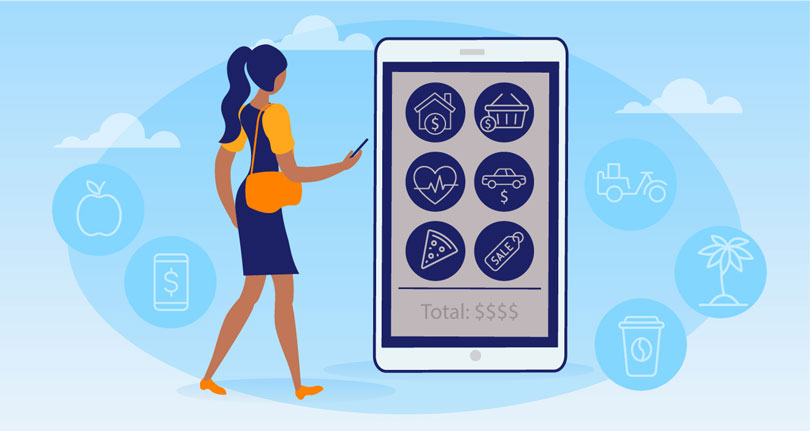
Soft saving represents a meaningful evolution in personal finance. It rejects the false dichotomy between living for today and saving for tomorrow, offering instead a balanced, flexible, and mentally sustainable approach. For Gen Z, navigating an uncertain economic landscape, soft saving provides a way to build financial security without sacrificing the joy and experiences that make life worth living.
The key is intentionality. Soft saving is not about spending recklessly or abandoning financial goals. It is about making conscious choices, building consistent habits, and recognizing that financial wellness encompasses both the present and the future. As more young adults embrace this philosophy, soft saving may well become the defining financial strategy of a generation.